Future Nokia smartphones will be waterproof
A representative of Nokia has confirmed in a recent interview, that the company's future smartphones are going to be waterproof thanks to a special nano coating. The technology has already…
Samsung Galaxy S3 The sales of Samsung's new flagship smartphone - the long-awaited Samsung Galaxy S III, are about to begin in a matter of days, but some customers…
HTC Wildfire S with Android 4.0 Ice Cream Sandwich HTC have finally released more detailed information, concerning the update schedule for their Android smartphones. As you probably know, this…
Lava Xolo 900 You may remember, that the first smartphone to use an Intel Atom processor - the Xolo X900, has already been released on the market, though it…
iPhone 5 It's already all but certain, that the next generation of the iPhone is going to feature a different design and will most likely have a bigger screen,…
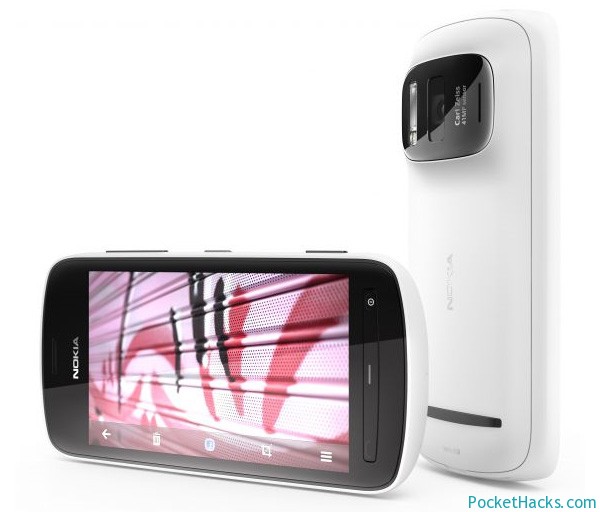
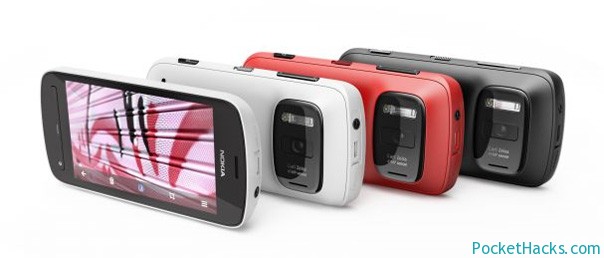
The Nokia 808 PureView is going to hit the market later this months and the Finns have decided, that it’s time to remind us the most important stuff about the device. After all, they have been working on the smartphone for 5 years and the PureView technology, which won the TIPA Best Imaging Innovation award, is going to become a vital part of the company’s future smartphones, especially the Lumia series.
To do so Nokia have published an 8 minute video, which has been shot entirely using the phone. The clip gives us information, through interviews, about the path from the initial idea – sketched on a napkin, to the final device. Throughout the years, Nokia had to develop their own photo sensor and the technologies, needed for its production, because the available ones turned out to be too limited for the company’s needs.
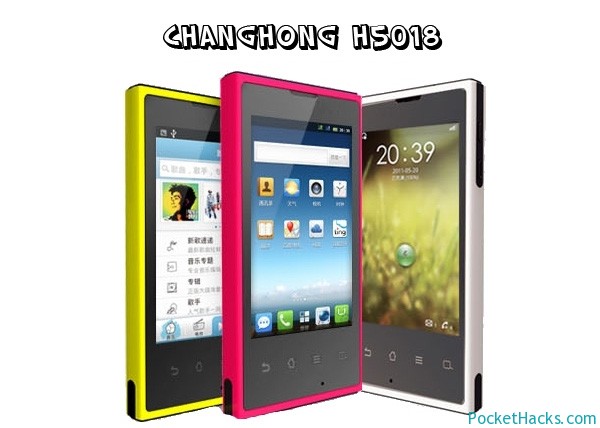
Changhong H5018 As some of you may have already heard, the company behind China's biggest search engine - Biadu, has decided to develop their own Android-based smartphone. And not…
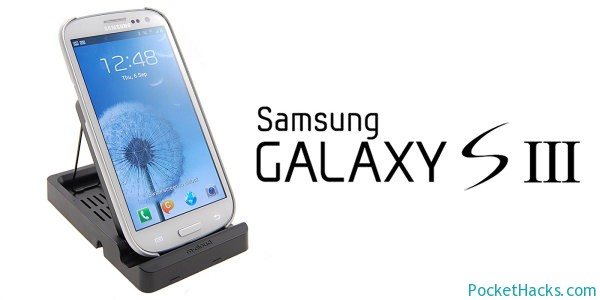
The debut of the Samsung Galaxy S III brought quite a few surprises, one of which was the fact, that Samsung’s flagship device is once again using a PenTile display, despite the rumors, that it wouldn’t. From many this was received as bad news, but there is actually quite a good reason for the Korean company to have chosen this technology over RGB. This information is coming from an interview with a Samsung employee at the CTIA Wireless event. According to him, despite the many advantages of the AMOLED displays (such as the wider viewing-angles, high contrast and stunning saturation) , they also have one serious disadvantage – they lose their qualities over time.
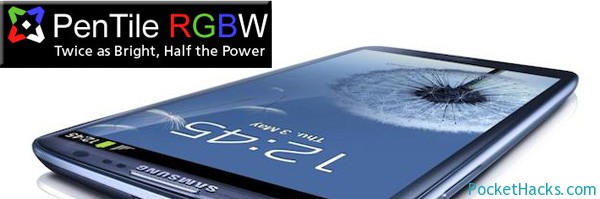
According to Samsung, this happens faster with blue pixels than with red or green ones, which is also the reason why PenTile displays should last longer – they feature more green pixels and less red and blue ones. If you’re having trouble understanding why that is, here’s a more detailed explanation: the pixel layout in the display, used in the S3, is RGRB (red – green-red-blue) . When compared to the pixel layout in RGB displays (red-green-blue) one can clearly see, that the red pixels in the first case are exactly twice as much as those in the second one.
HTC Desire C We have already told you about the HTC Golf a couple of times - a device, which is expected to be released as a successor to…